
Winter-Proofing My Lotus Elise: Rust Treatment, ACF-50 and a Deep Clean
An Elise's chassis is bonded aluminium, so it won't rust. Plenty of what's bolted to it is steel, though: the wishbones, the anti-roll bar, brackets and fixings. On my 2016 Elise S3, ten years of Yorkshire roads had left those parts covered in grime and surface rust.
I spotted how bad it was in July, and again while I was fitting a new front anti-roll bar and chassis brace. In August I spent two days dealing with it before winter. Here's what I did.
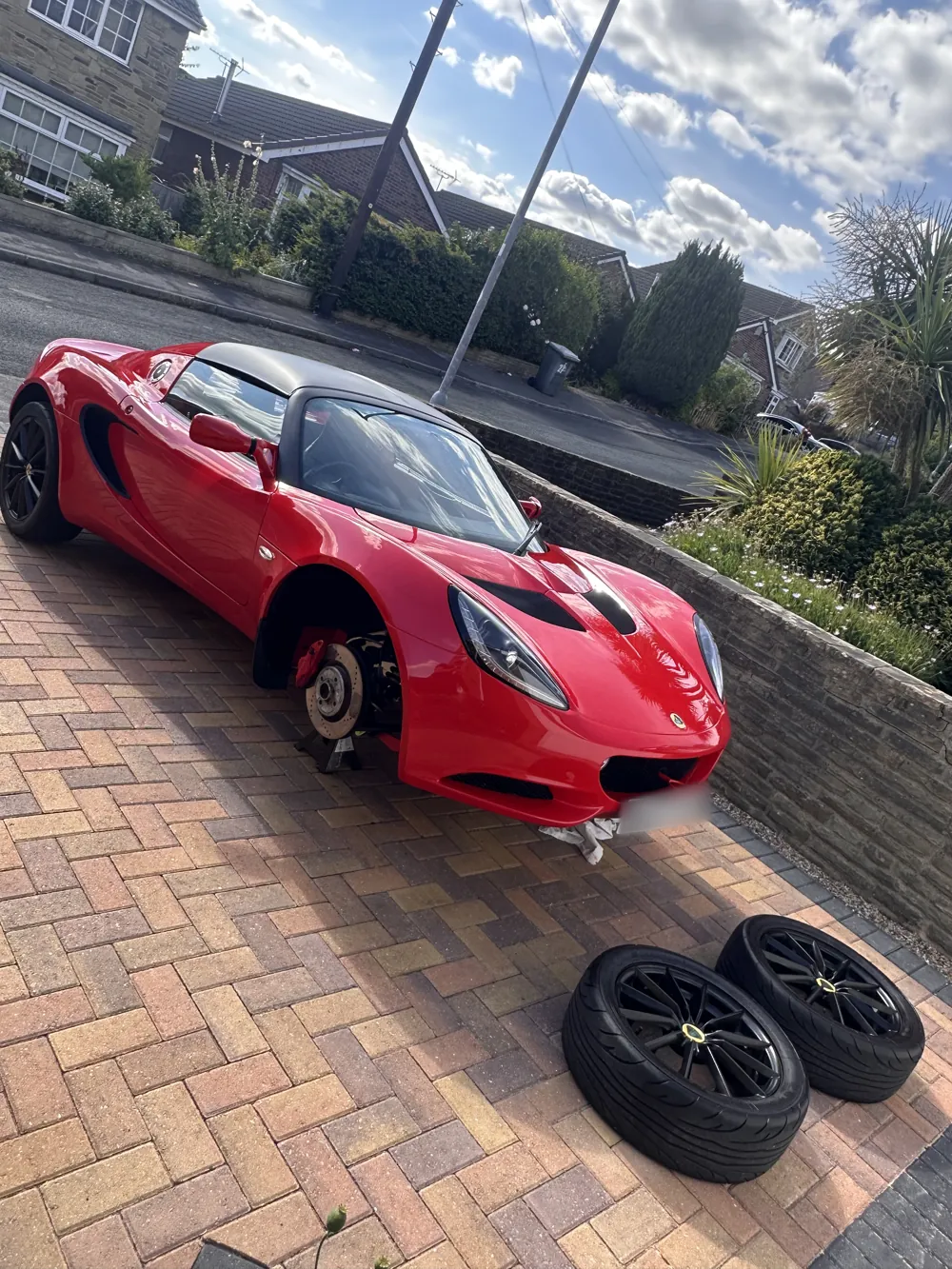
Wheels off and ready to start.
Before
None of this was structural, but it was heading the wrong way. Surface rust left alone through a winter of salted roads only gets worse.
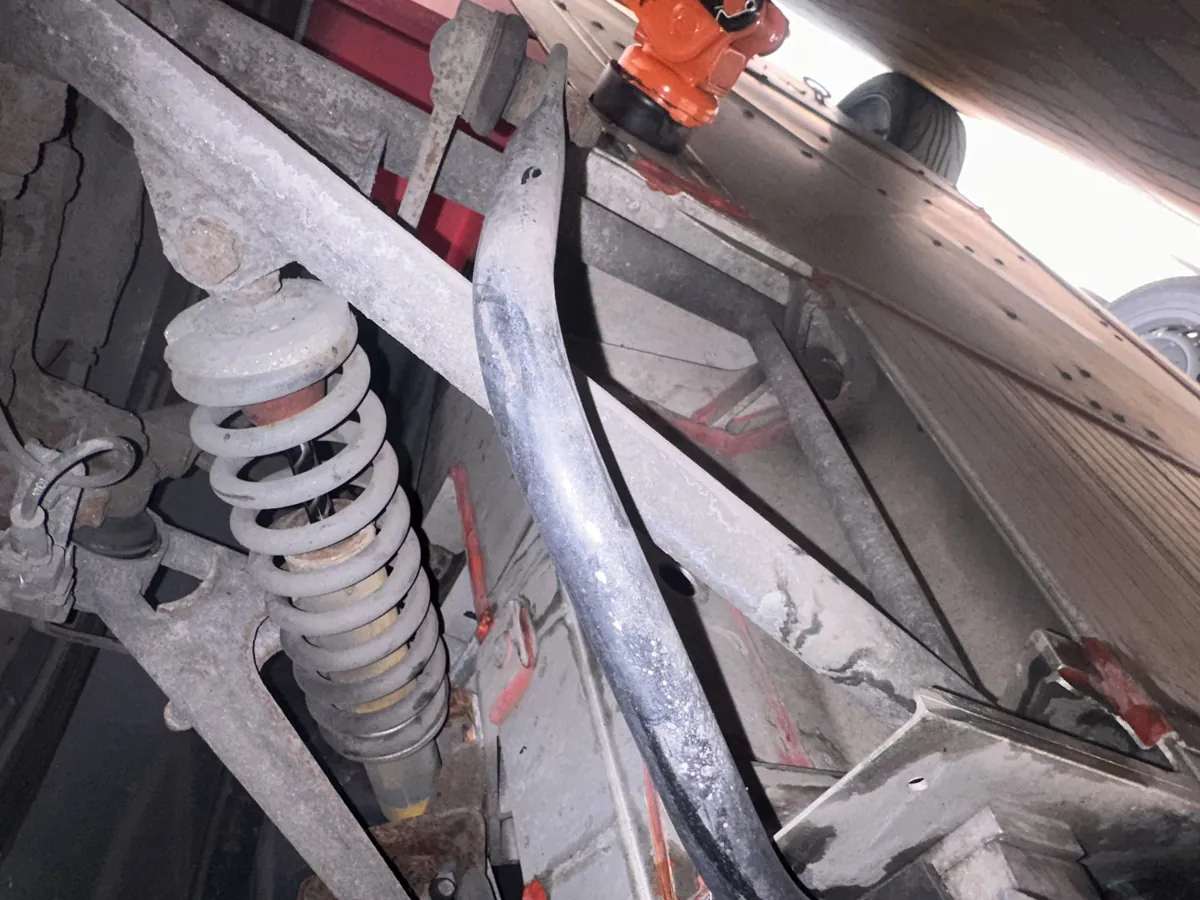
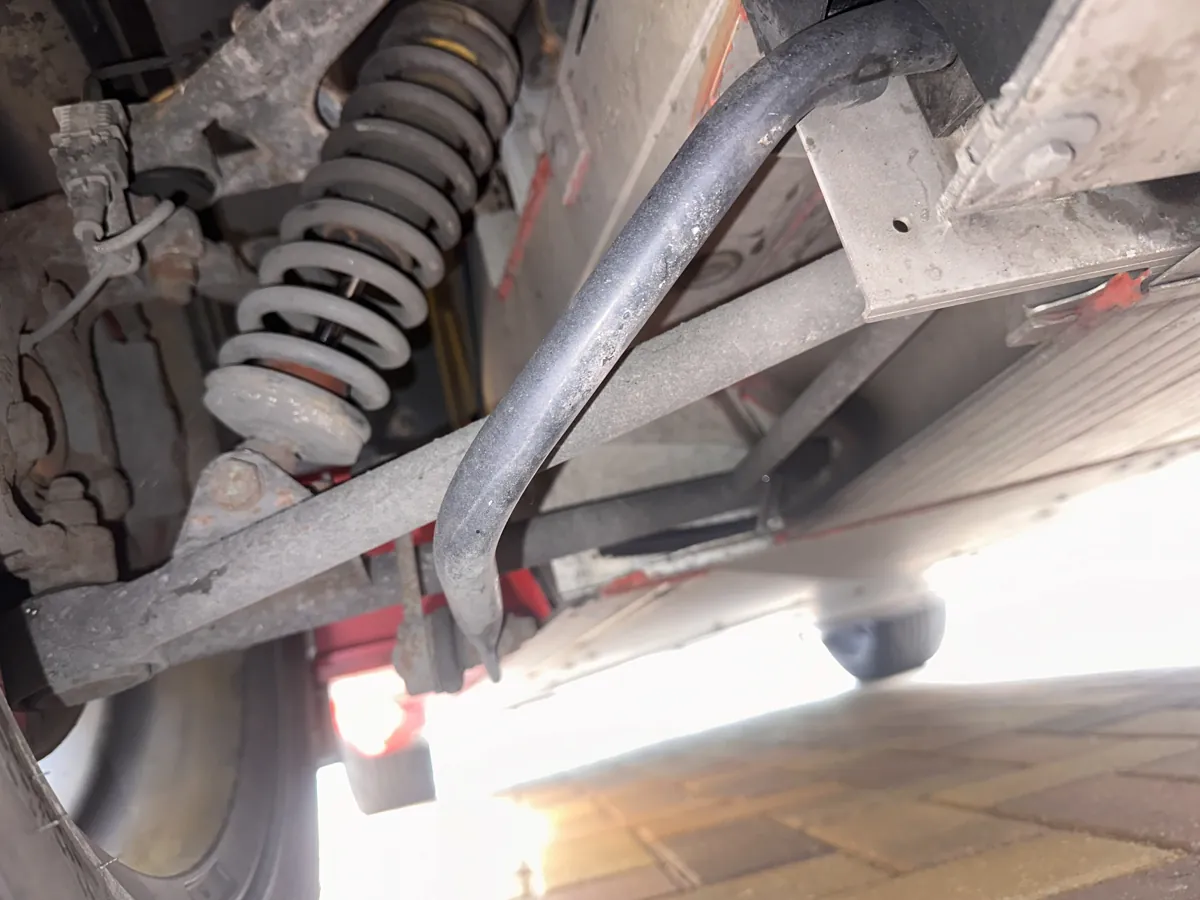
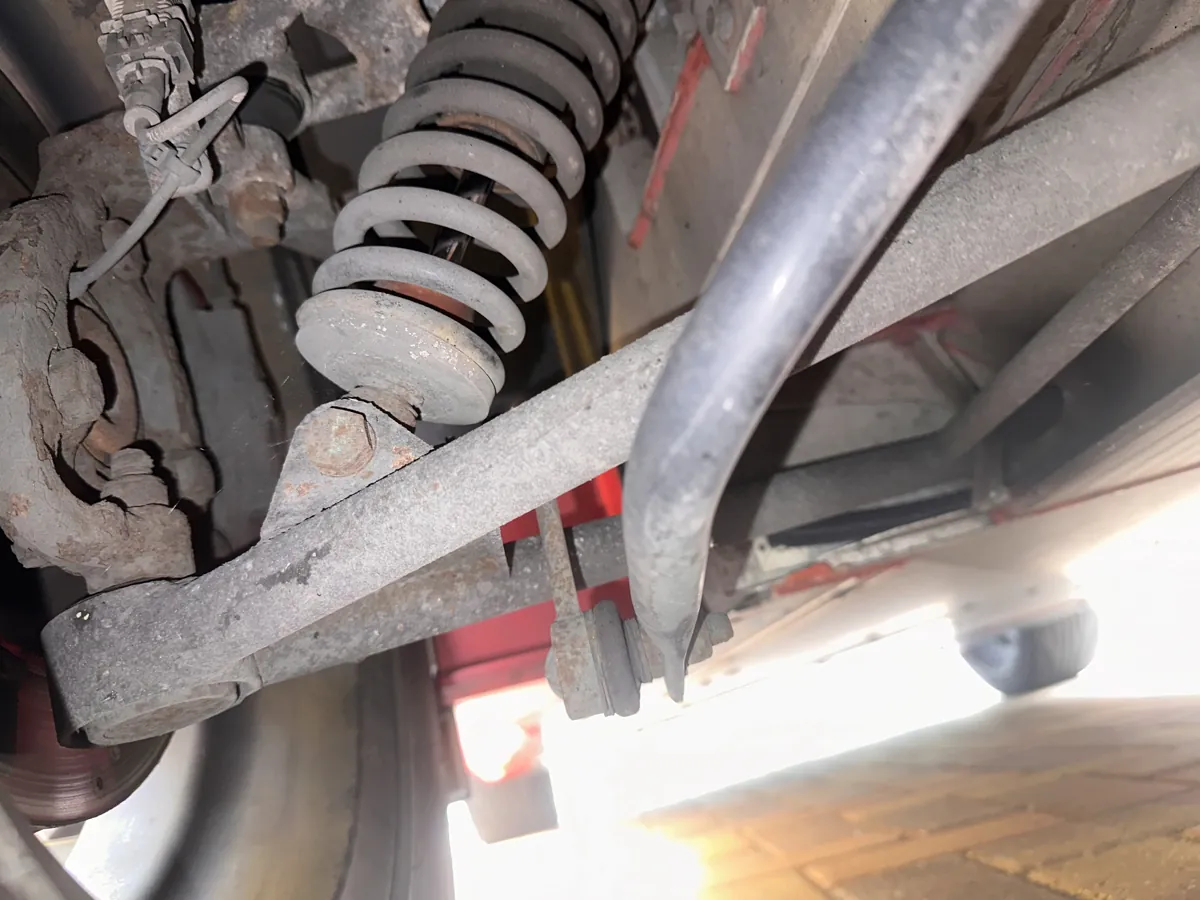
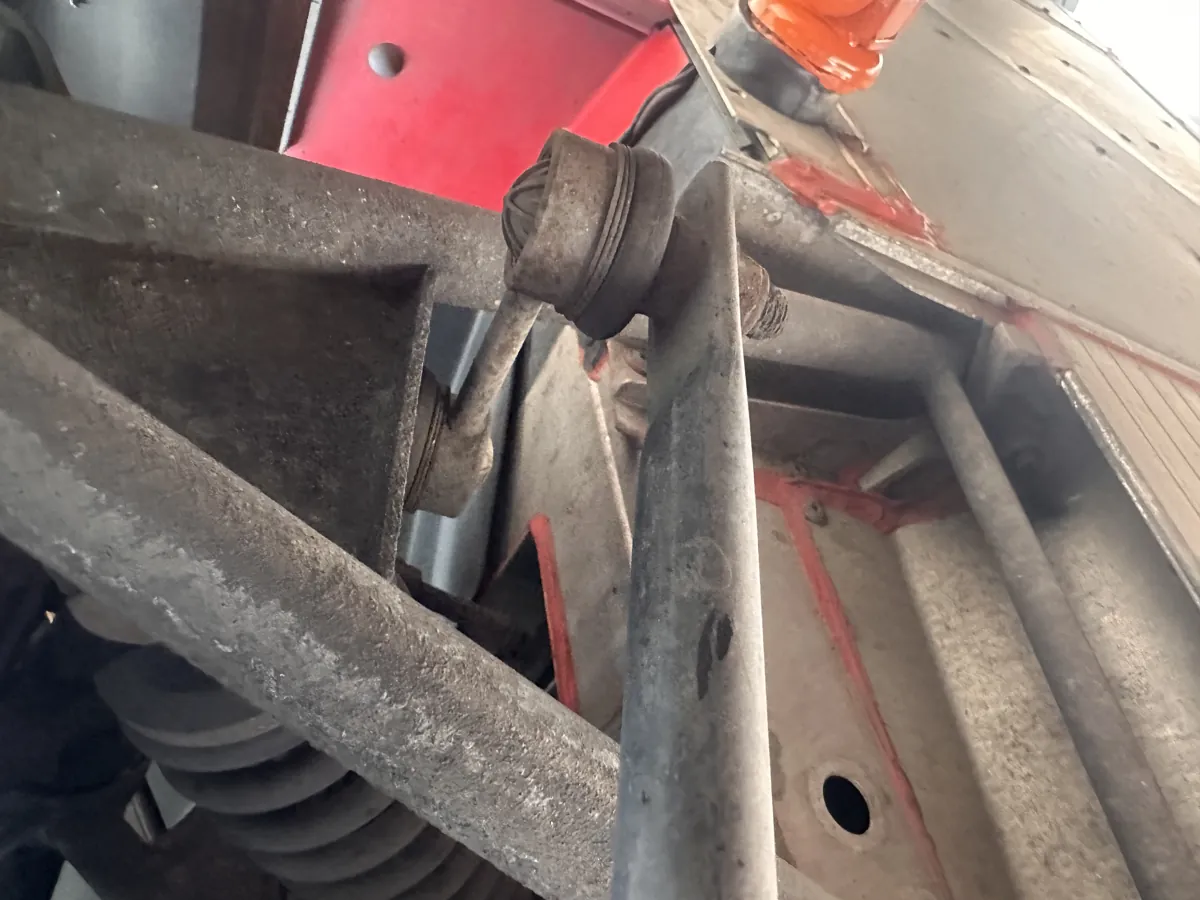
July: ten years of grime and surface rust on the front suspension.
What I Did
1. A Full Clean
You can't treat rust you can't see, so everything got cleaned first: the wheel arches, the suspension, the brakes and the undertray. I used XCP Cleaner and Degreaser from Halfords to cut through the road grime. With the wheels off you can reach almost everything in the arches.
2. Wire Brush Off the Surface Rust
I wire brushed every bit of loose surface rust off the steel parts back to a firm surface. The idea is to get rid of the flaky layer so the treatment goes onto something solid. Wear eye protection for this. Bits of rust fly everywhere, and you're usually looking straight up at what you're brushing.
3. Rust Converter
I used Hammerite Kurust. A rust converter reacts with the rust that's left and turns it into a stable black layer that won't keep spreading. That's why the parts go from orange-brown to black in the after photos. Give it the drying time on the tin before you put anything on top.
4. ACF-50 for the Winter
ACF-50 is an anti-corrosion spray that was developed for aircraft. It creeps into seams and joints and leaves a thin film that keeps moisture and salt off the metal. I put it over the treated parts as the last step, ready for winter. Keep it well away from the brake discs, pads and tyres.
I also put a light coat on the suspension bushes. Modern bushes are synthetic rubber, which ACF-50 is generally considered safe on, but it's petroleum-based and can swell older natural rubber, so wipe off the excess rather than soaking them.
After
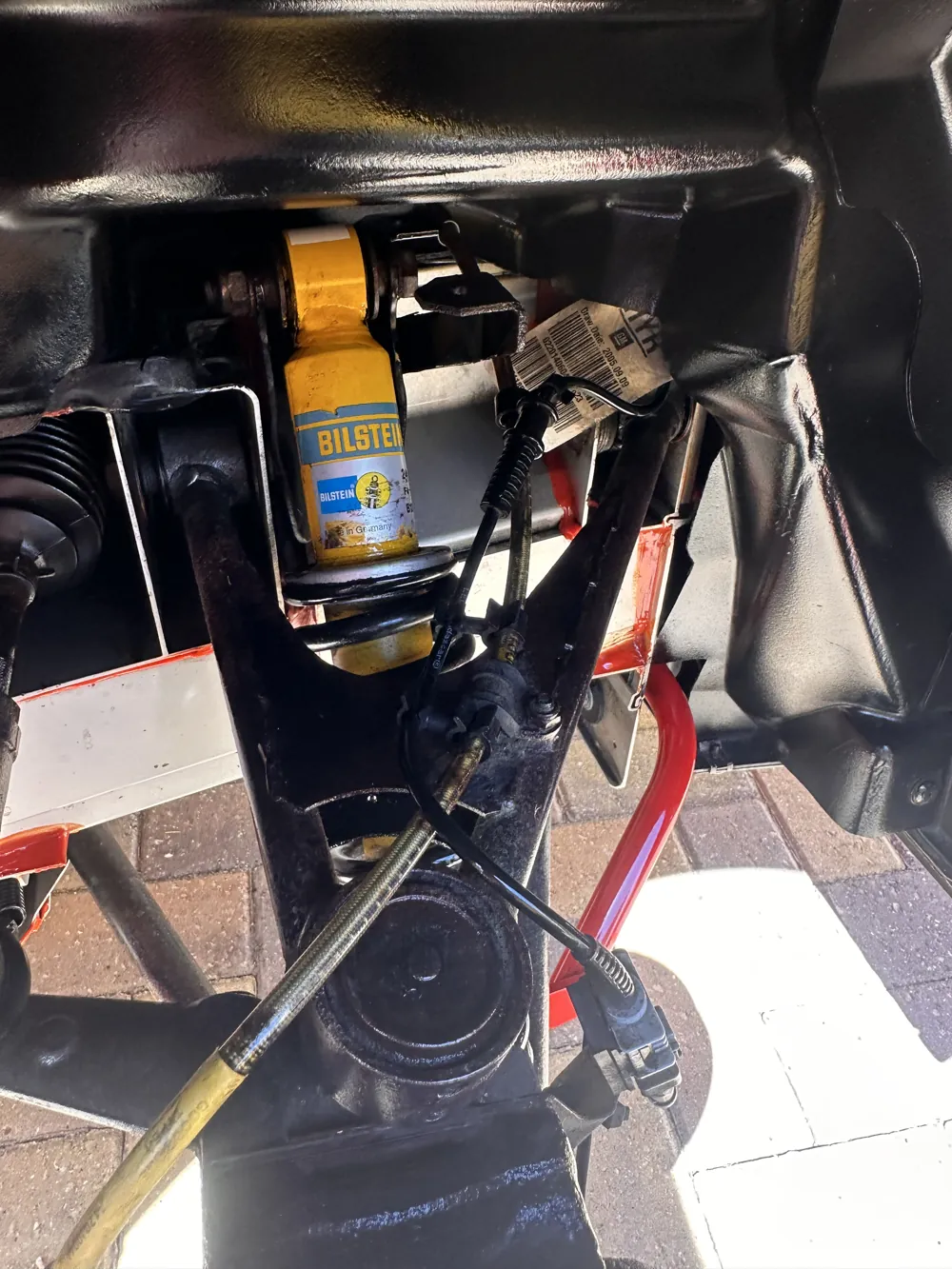
The front suspension after treatment, with the new red anti-roll bar alongside.
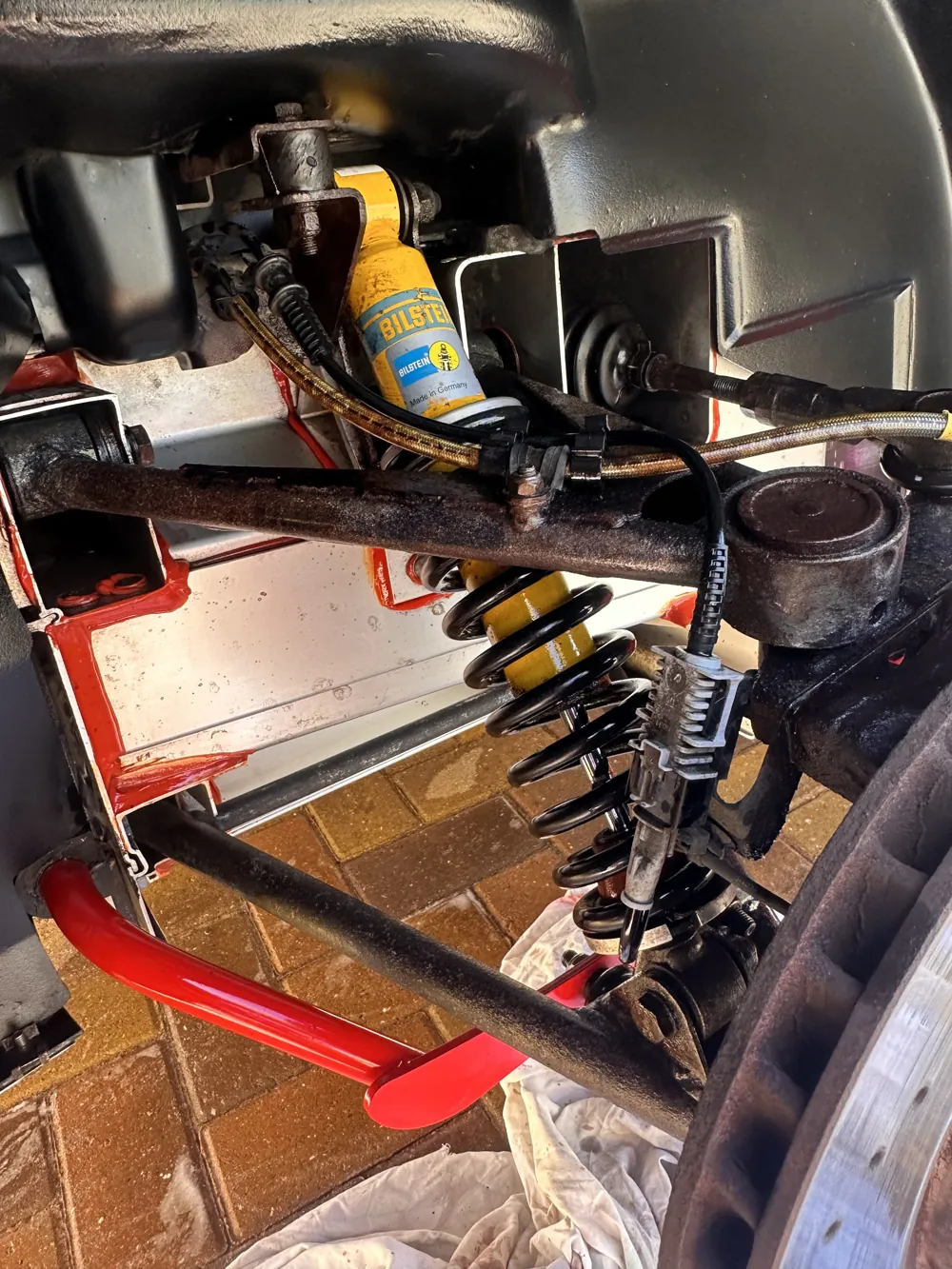
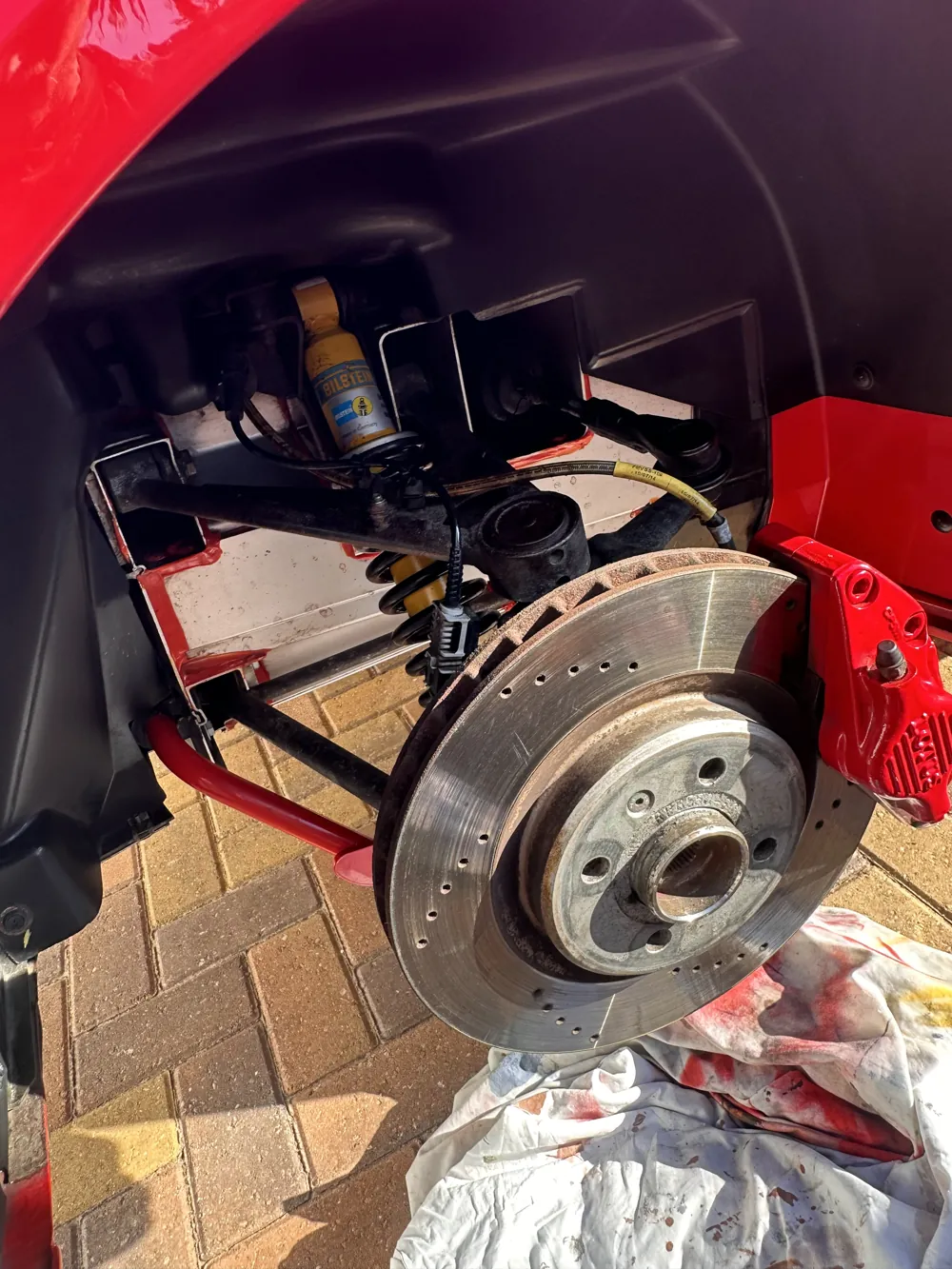
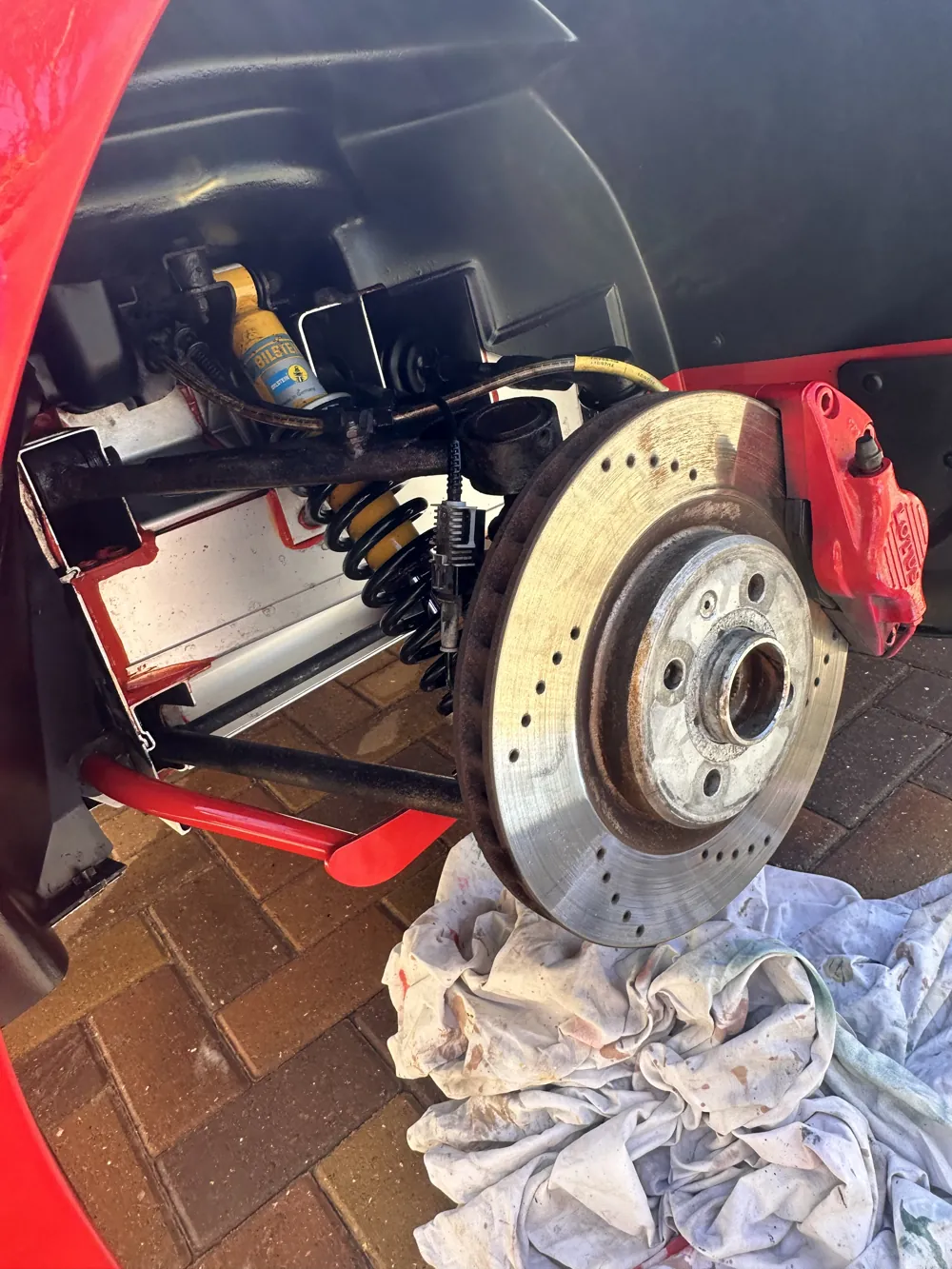
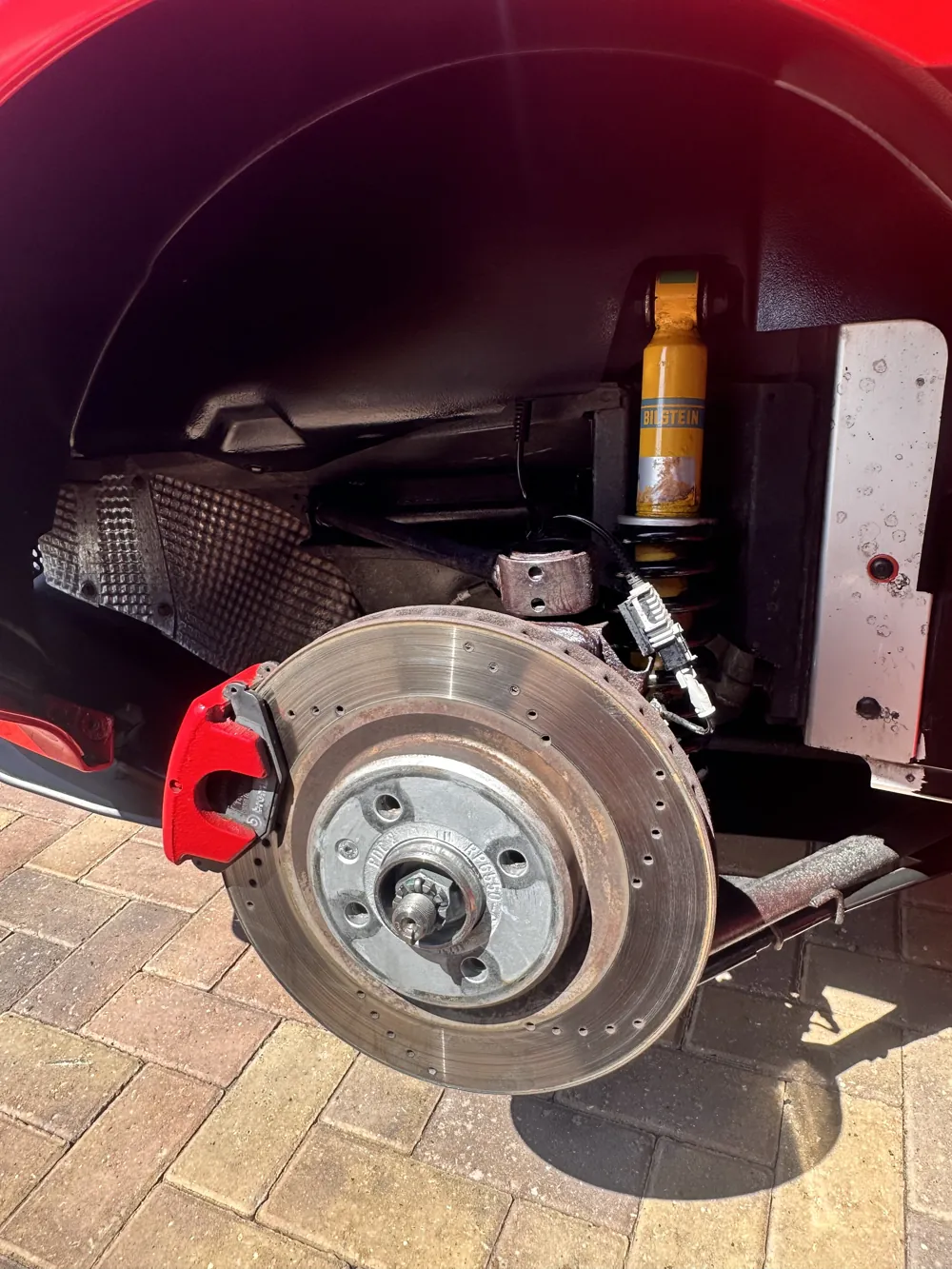
August: wheel arches, suspension and brakes cleaned and treated.
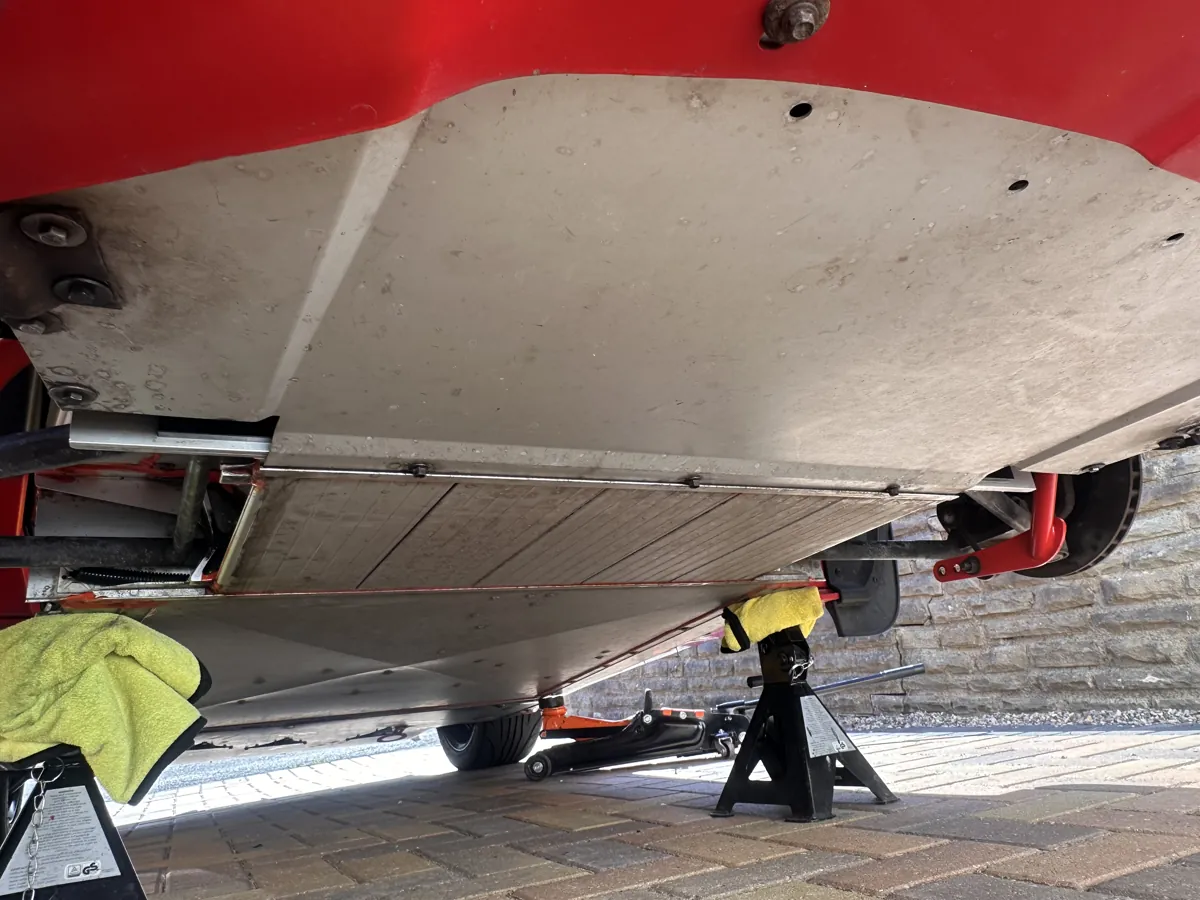
The undertray, cleaned.
Worth Doing Before Every Winter
None of this needs special tools: a degreaser, a wire brush, a bottle of Kurust, a can of ACF-50 and a couple of days with the wheels off. It's far easier to keep on top of surface rust each autumn than to replace corroded parts later, and on a car you take on track you want to be able to see the condition of the suspension clearly anyway.
Next up is the 2027 track season, and finding out what the new anti-roll bar and brace are like on a circuit. If you've got questions about doing this on your own Elise, drop me a message.